Digital Transformation & Sustainability
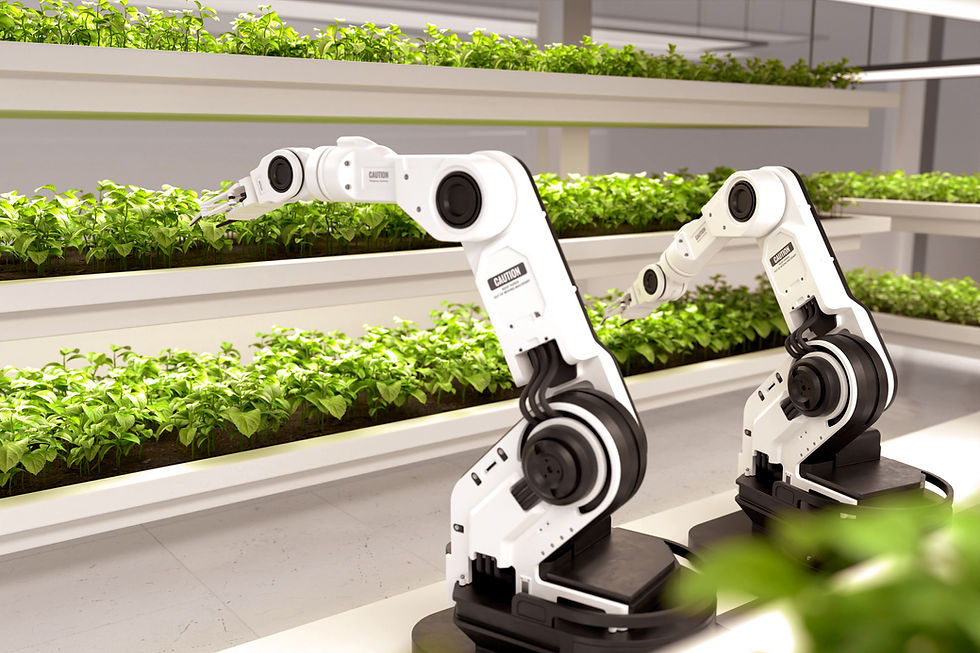
Tools & Systems for Disruption
Transform challenges into opportunities.
Imagine leveraging AI to automate complex tasks, IoT for real-time operational insights, and blockchain for secure transactions. Harnessing advanced analytics to uncover hidden opportunities and cloud computing for scalable infrastructure, companies can drive unprecedented innovation and efficiency. This synergy of disruptive technologies empowers businesses to not only excel but also tackle global challenges with agility and precision.
Capabilities
01.
Rapid Prototyping
02.
Ai & Machine Learning
03.
Internet of Things
04.
Cloud & automation
05.
Blockchain
Data driven Enterprise
Leveraging disruptive technologies such as Machine Learning, blockchain, IoT, RPA, cloud computing, advanced data analytics, and 3D printing brings transformative benefits across various dimensions of business operations. These technologies enable operational excellence by automating processes, reducing errors, and optimizing resource allocation. Data-driven insights enhance strategic decision-making, allowing organizations to stay ahead of market trends and respond proactively to customer needs. Scalability and flexibility are achieved through cloud computing, facilitating rapid adaptation to changing market demands. Enhanced customer engagement through personalized services fosters loyalty and satisfaction. Cost efficiency is realized through optimized processes and reduced infrastructure expenditure. Innovations driven by technologies like 3D printing and AR/VR lead to unique product offerings and market differentiation. Additionally, blockchain ensures secure and transparent transactions, while IoT and advanced analytics promote sustainability by minimizing waste and optimizing supply chains. These technologies collectively drive significant competitive advantages, positioning businesses for long-term success.

1. Enhance Efficiency and Productivity
Automation and AI-driven processes reduce manual workload, streamline operations, and accelerate task completion.

2. Improve Decision-Making
AI/ML algorithms analyze large datasets to uncover patterns and predict future outcomes, aiding in strategic planning.

3. Cost Reduction
Technologies like cloud computing and IoT optimize resource utilization, reduce infrastructure costs, and minimize waste.

4. Enrich Customer Experience
Personalized services using advanced data analytics and IoT boost customer satisfaction and loyalty by tailoring offerings to individual preferences.

5. Innovation & Competitive Advantage
Early adoption of disruptive technologies enables businesses to innovate faster, differentiate their offerings, and stay ahead of competitors
Key Outcomes
Operational Excellence
Streamlined processes, reduced errors, and enhanced resource allocation.
Scalability and Flexibility
The ability to scale operations quickly and adapt to changing market demands.
Enhanced Customer Engagement
Improved customer satisfaction and loyalty through personalized experiences.
Innovation and Market Differentiation
Development of new products, services, and business models that set the organization apart from competitors.
Security and Transparency
Improved security and transparency in transactions and data handling.